ASUS unveils compact AI mini PC for everyday use
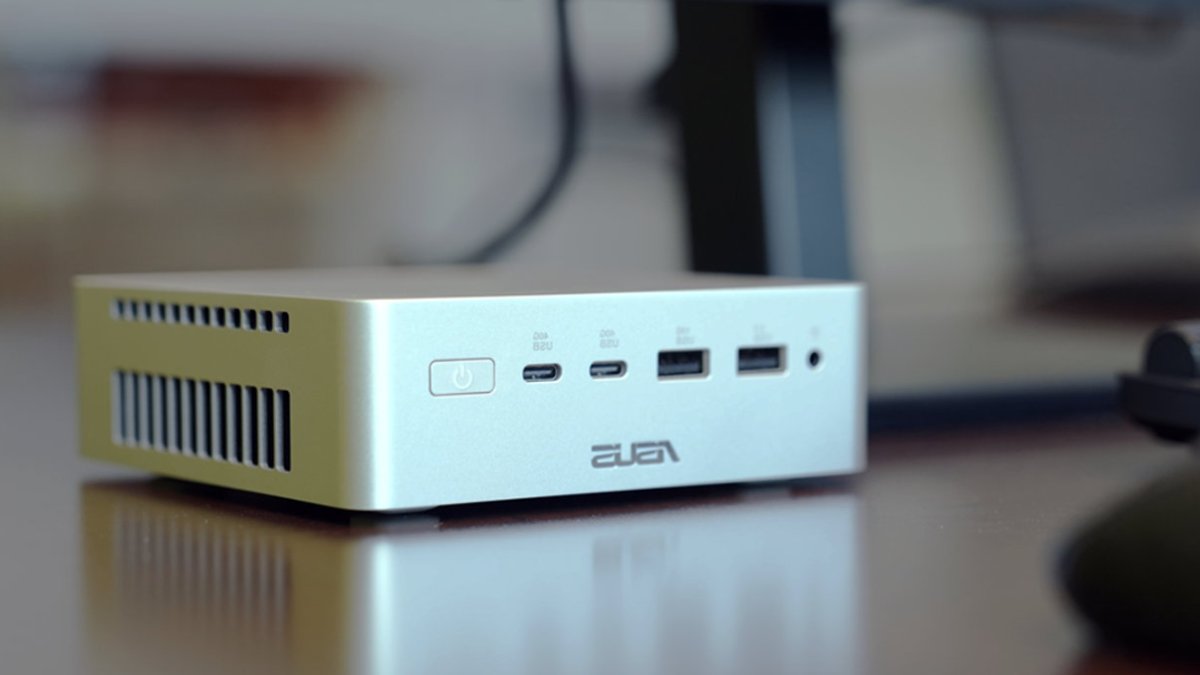
ASUS has introduced the Ascent QN10, the first consumer-oriented mini PC based on Qualcomm’s Snapdragon X2 Elite platform. This device stands apart from earlier Windows on Arm systems, such as the developer-focused Windows Dev Kit 2023, by catering directly to everyday users. The QN10 incorporates an 80 TOPS AI accelerator to handle local tasks like language processing, image analysis, and automation efficiently.
The system combines an 18-core Oryon CPU with an Adreno X2-90 GPU and a Qualcomm Hexagon NPU, allowing it to process AI workloads on-device rather than depending on cloud servers. Its compact 0.7-liter aluminum enclosure measures 5.1 x 5.1 x 1.5 inches and weighs 1.6 pounds, making it smaller than many competing mini PCs. Despite its size, it includes essential ports: two USB4, two USB-A, HDMI 2.1, 2.5 Gigabit Ethernet, and a 3.5mm audio jack. Connectivity options extend to Wi-Fi 7 and Bluetooth 6.0.
A dedicated cooling system ensures optimal airflow, separating the CPU and SSD to avoid thermal throttling. The QN10 also integrates with Qualcomm’s AI Hub, providing access to over 175 pre-optimized AI models for development and deployment. While priced at $1,349, the device competes with Apple’s Mac mini M4 for Windows users seeking a compact AI-powered machine.
Read Also: X Shuts Down Nitter, XCancel Again Amid Legal Battle
Unlike previous Windows on Arm mini PCs, which were restricted to developers, the QN10 is designed for mainstream consumers. Its launch signals a broader push toward consumer-friendly Arm-based hardware. However, widespread adoption will depend on software compatibility and real-world AI performance. ASUS has not yet announced a global release schedule beyond its initial availability at Best Buy.
Qualcomm’s AI Hub plays a key role in the QN10’s functionality, offering developers a suite of tools to test and deploy AI applications. The platform’s efficiency in handling on-device AI tasks could influence future trends in portable computing. ASUS’s decision to target mainstream users rather than developers marks a strategic shift in how Arm-based systems are marketed.
The QN10’s thermal management system is particularly noteworthy, as it prevents performance degradation under sustained workloads. This feature, combined with its port selection, positions the device as a versatile option for both productivity and media tasks. The inclusion of high-speed connectivity standards like Wi-Fi 7 and USB4 further enhances its appeal for users requiring seamless data transfer and network performance.

X Shuts Down Nitter, XCancel Again Amid Legal Battle


