Astronomers find another galaxy lacking dark matter
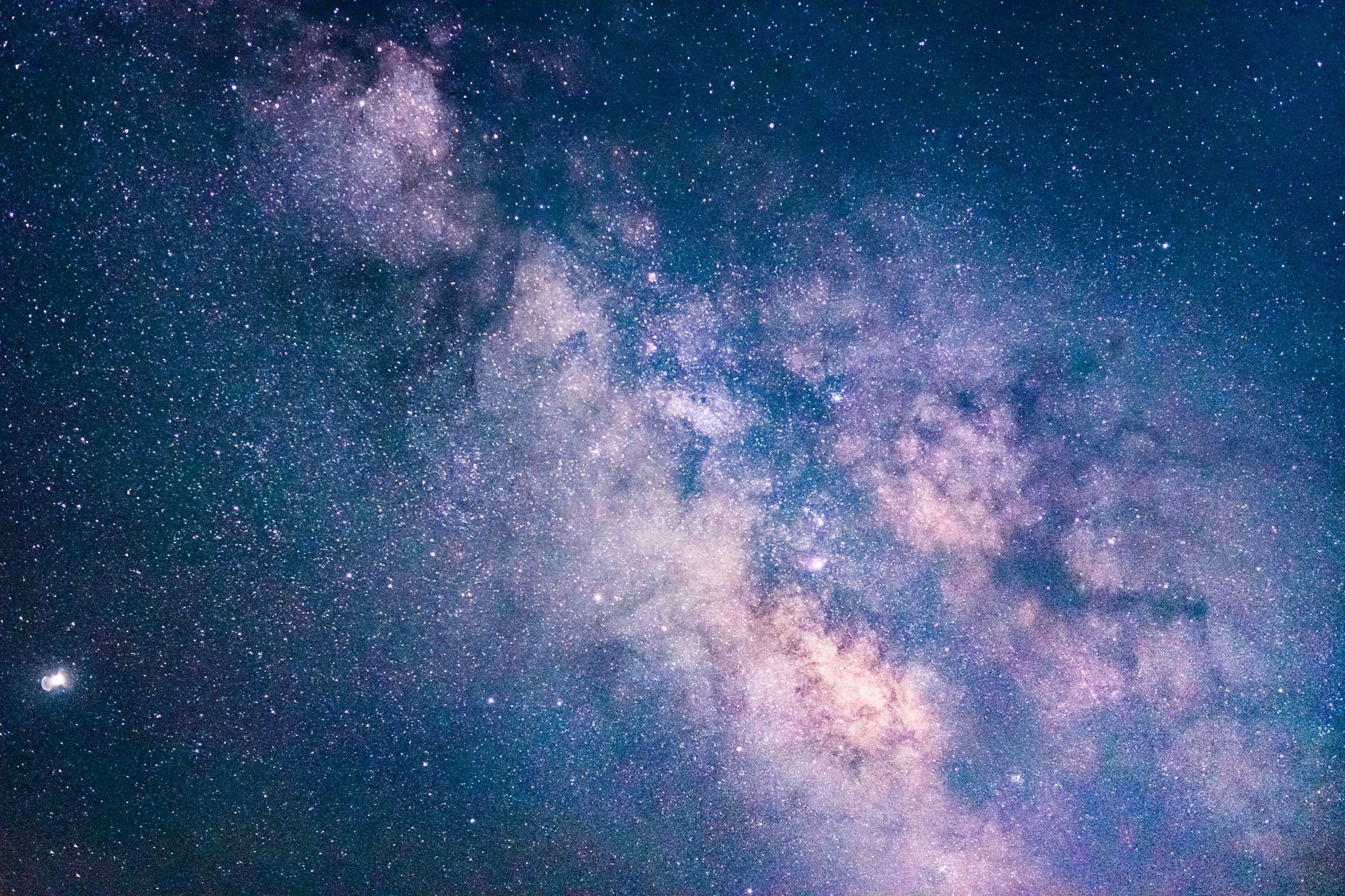
Astronomers have identified a galaxy that appears to contain almost no dark matter, a substance long believed to be essential for holding galaxies together. The discovery, led by researchers at Yale University, adds to a growing list of galaxies that seem to defy conventional understanding of cosmic structure. This new galaxy, named DF9, is part of a chain that includes two previously discovered galaxies, DF2 and DF4, which also showed little to no dark matter.
DF9 is significantly dimmer than its counterparts, making it a rare find. Scientists used the Keck Cosmic Web Imager to analyze the motion of stars within the galaxy. By measuring how these stars move, researchers estimated DF9’s mass. The results suggest that dark matter, which typically makes up the bulk of a galaxy’s mass, is nearly absent here.
Related: Watch sharks use manta rays to scratch itches
Dark matter remains invisible because it does not emit, absorb, or reflect light. Its presence is inferred through gravitational effects on visible matter, much like tracking an unseen object by the disturbances it leaves behind. In most galaxies, these disturbances indicate the presence of vast amounts of unseen mass. However, DF9 and its siblings show minimal such signs.
Some scientists argue that dark matter is a critical component of the universe’s structure, while others question its existence entirely. Galaxies like DF9 challenge these assumptions. One theory suggests these galaxies formed during violent collisions between larger systems, allowing ordinary matter to separate from dark matter.
Related: DAO’s The Next Big Trend?
The study raises questions about the nature of dark matter itself. If these galaxies exist without it, what forces govern their structure? Researchers say the results may help refine models of how galaxies form and evolve, particularly in low-mass systems.
DF9’s discovery highlights the need for further observation. While current data suggest a lack of dark matter, scientists caution that more evidence is required to confirm this. Future studies may use different instruments or analyze additional galaxies to test these hypotheses.
Related: How To Deal With Underperforming Team As A Corporate Leader
For now, DF9 stands as a puzzling anomaly. Its existence challenges long-held theories and offers a glimpse into the complex, often invisible forces that shape the universe. As telescopes grow more powerful, more such discoveries may follow, reshaping the scientific narrative of the cosmos.

Watch sharks use manta rays to scratch itches


