Sustainable Data Centers Need More Than Energy Savings
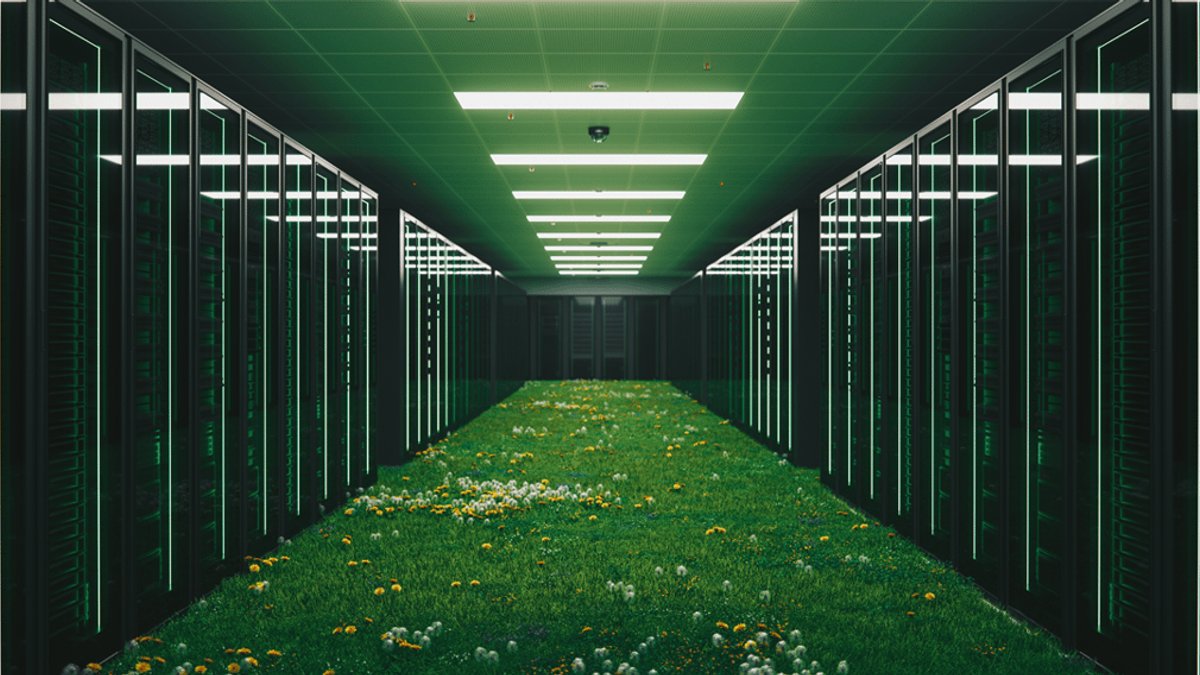
Data centers require more than just reducing energy costs to be truly sustainable. A responsible facility is designed to lower environmental impact while maintaining necessary performance. This approach demands using resources efficiently, extending equipment life, reducing waste, and finding smarter ways to power and cool critical infrastructure.
Sustainability matters because data centers consume a significant share of global electricity despite their small physical footprint. That demand continues to rise as AI, cloud services and digital applications expand. High energy use generally stems from the hardware itself, which requires enormous power to run, and the heat generated by all that equipment, which must be removed continuously to keep systems stable.
The growing environmental footprint
Cooling is one of the biggest sustainability challenges. Traditional air conditioning can be extremely energy-intensive, and in some facilities, the cooling process also depends heavily on water. In large-scale environments, water consumption can become a major local issue, especially in regions already dealing with scarcity. E-waste is also a major part of the sustainability conversation. Servers, storage arrays and networking hardware contain valuable materials that require significant energy and resources to mine and manufacture.
Practical steps for greener operations
Renewable energy can dramatically reduce a data center’s carbon footprint, whether it comes from on-site generation or through the utility provider. Cooling strategy offers significant opportunity as well. In the right climate, free cooling can reduce dependence on mechanical air conditioning by using naturally cold air or water to remove heat. That can lower operating costs and emissions. In higher-density environments, liquid cooling often makes even more sense. Techniques such as direct-to-chip cooling or immersion cooling are far more efficient at transferring heat than air, especially for compute-intensive workloads.
Related: Rethinking IT Budgets in the Age of AI
Excess heat should be treated as a resource, not just a byproduct. In some cases, heat from the data center can be redirected to nearby buildings, industrial systems or community heating networks. Water recycling can help reduce pressure on local supplies, and thermal storage or cogeneration can create additional efficiency gains. These approaches require planning and investment, but they show how a data center can contribute positively beyond its own walls. Inside the IT environment, focusing on using hardware more efficiently helps. Virtualization remains one of the most practical ways to reduce physical infrastructure requirements by consolidating workloads onto fewer machines. That lowers power consumption, reduces cooling needs and can delay unnecessary hardware purchases.
Extending asset life is another principle to prioritize. Hardware does not become environmentally responsible simply because it is replaced with something newer. In many cases, maintaining, refurbishing or redeploying equipment can be more sustainable than constant refresh cycles. Responsible IT asset disposition is essential when systems truly reach end of life. Equipment should be sanitized, reused when possible and recycled properly when reuse is no longer viable. There is also value in purchasing quality pre-owned equipment when appropriate, because it keeps usable devices in circulation and reduces demand for newly manufactured products.
Sustainable operations begin with culture as much as technology. If the people designing, maintaining and operating the data center do not understand sustainability goals, progress will be inconsistent. Teams need training, clear expectations and leadership support so environmental impact becomes part of everyday decision-making. That includes choices about vendors, maintenance practices, cooling upgrades, energy contracts and procurement standards.
Industry frameworks such as ISO 14001, ISO 50001, greenhouse gas accounting standards and green building certifications can help guide that work. Metrics matter as well. Tracking PUE, renewable energy usage, water consumption, heat output and recycling rates allows facilities to measure progress rather than rely on assumptions. Not every facility can become highly sustainable overnight, so starting with a feasibility assessment to identify practical, cost-effective changes makes sense. The most sustainable data centers are not the ones that make one big change and stop. They are the ones that keep evolving, measuring and improving over time.
Corporate leaders face a difficult task when allocating funds for technology upgrades. The push to modernize systems often competes with the need to reduce expenses. Some organizations struggle to justify spending on green initiatives without a clear return on investment. This tension highlights the importance of strategic planning. Executives must balance immediate financial pressures with long-term environmental goals to ensure stability.
Related: ADP’s AI leader balances innovation with control
Strategic alignment between technology and business strategy helps. When IT investments support broader corporate objectives, it becomes easier to secure approval for necessary upgrades. This alignment ensures that resources are used effectively across the organization. Leaders who understand this connection can drive progress without causing friction with other departments. By integrating environmental goals into the core business strategy, companies create a unified approach that benefits both the bottom line and the environment.
According to the filing, some companies are beginning to adjust their approach. Instead of viewing technology spending as a fixed cost, they are treating it as an investment in future resilience. This shift allows them to pursue sustainable upgrades that also improve operational performance. The filing details how specific organizations have successfully implemented these changes.
Implementing sustainable practices often requires specialized expertise. Companies may need to hire consultants or partner with external firms to develop effective strategies. This investment can pay off in the long run through improved efficiency and reduced risk. The filing suggests that organizations that prioritize sustainability are better positioned to handle future challenges.
By adopting a forward-thinking approach, companies can create a competitive advantage. Sustainable technology practices not only reduce environmental impact but also enhance operational efficiency. This dual benefit makes sustainability a smart business decision. The filing concludes that organizations that adopt these changes will be better prepared for the future.

Rethinking IT Budgets in the Age of AI


