Xiaomi pushes integrated smartphone, home, EV ecosystem
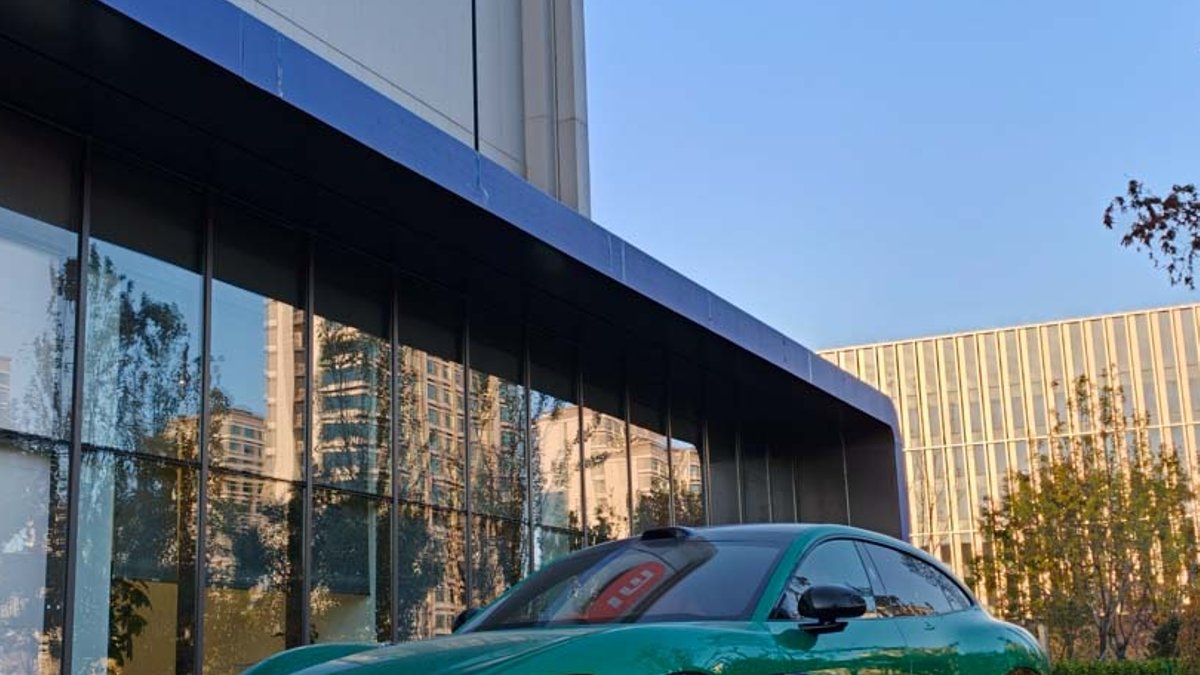
Xiaomi is moving beyond budget phones and smart appliances, aiming to link its smartphones, home gadgets and electric vehicles into a single, user-focused ecosystem that it calls Human × Car × Home.
Manufacturing muscle behind the push
In Beijing, the company runs two massive production hubs that showcase a level of automation rarely seen in consumer-tech factories. The Changping plant, built around a self-designed modular line, can retool for a new model in roughly ten hours, a task that typically takes a week elsewhere.
That line runs on Xiaomi’s proprietary Hyper Intelligent Manufacturing Platform. The system can assemble a flagship phone every six seconds while employing just 220 workers, about 81% automation, and it boasts a failure rate of only 1%.
Scaling the same philosophy, the Yizhuang EV facility spans more than 700,000 square meters and relies on over 700 robots. Its body shop operates at a 91% automation level, and a 9,100-ton die-casting machine can stamp an entire rear underbody in just over a minute, delivering tight structural tolerances.
Building a Human × Car × Home ecosystem
Xiaomi’s long-term goal is to fuse its hardware under the HyperOS and HyperAI software layers, allowing a phone, a car and a home device to share context in real time. When a driver parks, the vehicle can trigger garage lights, set the Mijia air conditioner to a preferred temperature, start an air purifier and signal a robot vacuum to finish cleaning.
Read Also: Samsung names ten Filipino student finalists
This seamless handoff is meant to replace the fragmented experience where phones, laptops, smart bulbs and car infotainment systems operate in isolated silos.
For consumers in the Philippines, the vision is already partially visible. Modern condos in Bonifacio Global City and suburban homes in Quezon City commonly feature Xiaomi air purifiers, security cameras and smart plugs, offering high-end convenience without a luxury price tag.
While the brand’s electric cars are still imported through the grey market, local interest is intensifying.
By controlling both hardware design and production, Xiaomi reduces time-to-market for new categories, a strategy that can pressure traditional automakers to rethink their own supply chains.
Regulatory hurdles and the need for charging infrastructure mean that mass-market EV sales in the Philippines are not imminent. Nevertheless, the software innovations that power Xiaomi’s vehicles are expected to filter into its other products, gradually enhancing the user experience across the board.
Read Also: Fujifilm launches creative hub in Manila for photographers
Expanding the EV portfolio
The company’s recent introductions include models such as the SU7 and the YU7, which have entered global automotive conversations.
These vehicles showcase design cues that aim to compete with premium marques, offering sleek silhouettes and performance-focused engineering.
Beyond exterior styling, the cars incorporate the same HyperAI platform that powers the brand’s phones and home devices.
In the Philippines, tech enthusiasts have taken note of the brand’s aggressive push into electric mobility.


