Cold War Supercomputer Designed for Single Mission
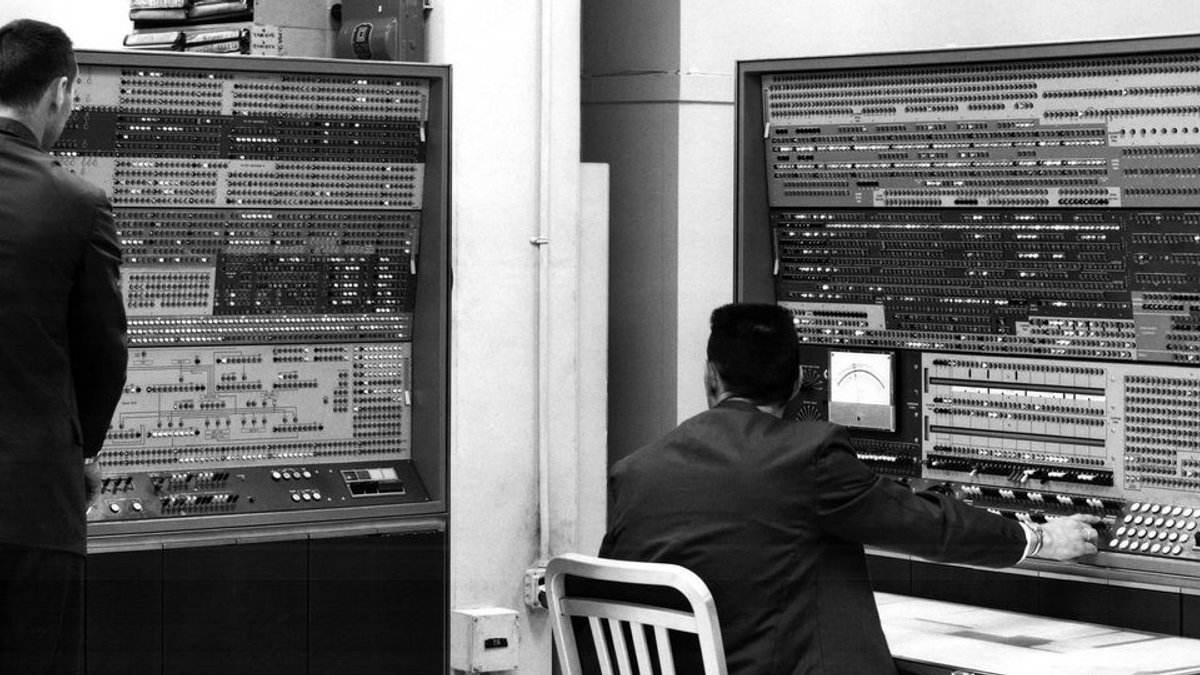
During the Cold War, a top‑secret computing system was commissioned to handle a single, critical task, according to declassified documents.
IBM’s role in the classified project
The contract went to IBM, which built what the agency described as the most powerful code‑breaking machine of its era. The effort was overseen by the NSA, which sought a hardware advantage in deciphering foreign communications. The system’s design emphasized speed and reliability, traits that were essential for the intelligence mission.
Official records note that the machine’s architecture differed from commercial offerings, focusing on custom processors and specialized memory. Its size filled an entire floor of a secure facility, and it operated under strict access controls. The project remained hidden from public view for decades, emerging only after archival releases.
While the exact specifications remain classified, the description of “most powerful” suggests it outperformed contemporary mainframes. The secrecy surrounding the build meant that even internal engineers received limited information about the ultimate application.
Why a single‑purpose design mattered
Creating a system for one job allowed designers to eliminate unnecessary features, streamlining the hardware for maximum throughput. This approach reduced potential points of failure and simplified maintenance under the tight security protocols imposed by the intelligence community.
Analysts who have examined the release point out that the focus on a solitary function reflects the strategic priorities of the era. The United States aimed to stay ahead in the cryptographic race, and a dedicated machine could process intercepted traffic faster than any general‑purpose computer.
Related: Engineers find inspiration in verse about safety
The program’s secrecy also meant that the broader scientific community missed an opportunity to study its innovations. Only after the files were made public could historians begin to assess the impact on later commercial supercomputing.
In practice, the existence of such a machine meant that agencies could respond more quickly to emerging threats. It also reinforced the notion that technology could be a decisive factor in geopolitical contests.
For the people whose communications were being targeted, the deployment of this system translated into a hidden but powerful surveillance capability. It showed how advances in computing could shift the balance of power without the public ever seeing the machines themselves.
Despite the passage of time, the legacy of the project lives on in modern high‑performance computing. The emphasis on custom hardware for specific workloads echoes in today’s specialized AI accelerators.
Further details are expected to appear as additional files are reviewed, but the core narrative remains clear: a major corporation built a bespoke, high‑speed computer for a single, classified mission during a period of intense global rivalry.

Engineers find inspiration in verse about safety


