Warning Lights in European Cars Require Prompt Attention
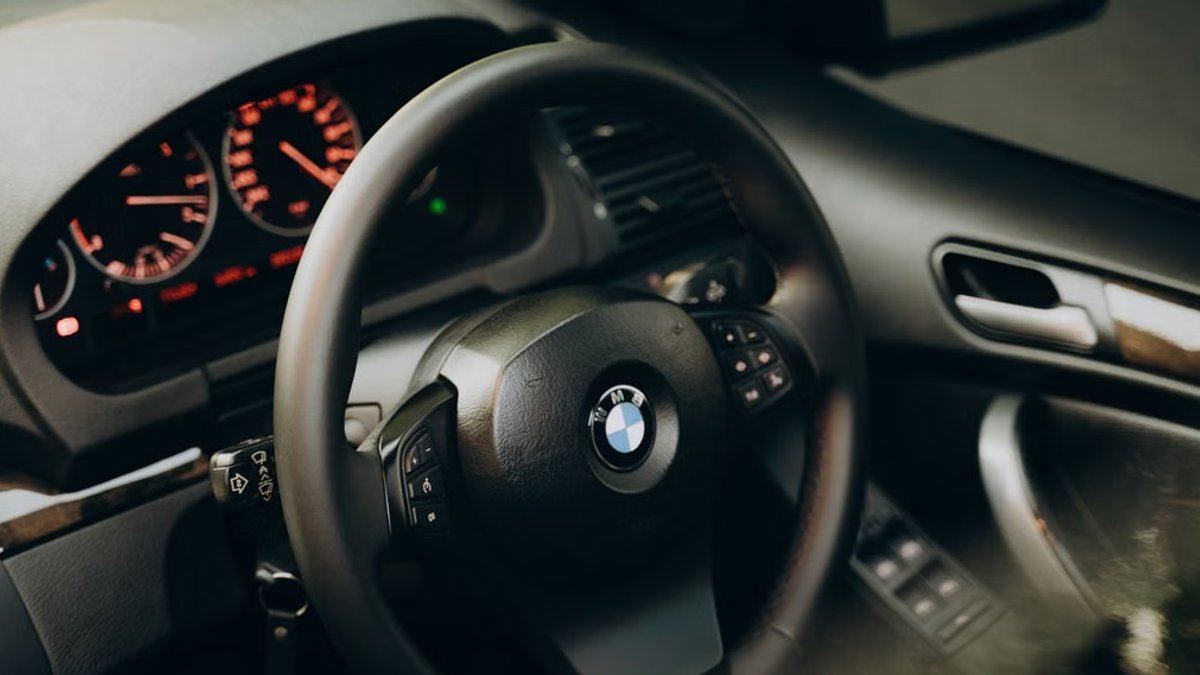
Warning lights in European cars serve as alerts when the vehicle detects potential problems across systems like the engine, brakes, or electrical components. These indicators can signal problems ranging from minor maintenance needs to serious mechanical failures. Understanding their causes helps drivers address issues promptly, preventing costly repairs. In areas like Cumming, GA, where residents rely heavily on their vehicles, recognizing these warnings early is critical for maintaining reliable transportation.
Mechanical and Fluid Issues
European vehicles depend on proper fluid levels for optimal performance. Low engine oil triggers an oil warning, while insufficient coolant activates temperature-related alerts. Brake fluid and transmission fluid deficiencies can also generate dashboard warnings. Ignoring these signals risks escalating simple maintenance tasks into major repairs.
Normal component wear over time contributes to warning lights as well. Spark plugs, ignition coils, belts, and brake parts eventually degrade, leading to system malfunctions. These aging components often manifest as warning indicators, requiring timely inspection and replacement to maintain vehicle reliability.
Electrical and Sensor Failures
Modern European cars rely heavily on electronic systems, making battery and charging issues particularly problematic. A weak battery, failing alternator, loose connections, or damaged wiring can trigger multiple warning lights simultaneously. Restarting the vehicle might temporarily clear the lights, but underlying electrical faults persist without professional diagnosis.
Read Also: Tips for managing your remote software development team successfully
The vehicle’s computer monitors numerous sensors to track engine temperature, oxygen levels, wheel speed, and tire pressure. Sensor failures or inaccurate readings activate warning lights. Common issues include faulty oxygen sensors, ABS or wheel-speed sensor problems, and malfunctioning mass airflow sensors. These breakdowns often require specialized tools to diagnose and repair.
Emissions and Component Wear
European vehicles incorporate sophisticated emissions-control systems. Problems with oxygen sensors, catalytic converters, fuel-system components, or the evaporative emissions system can trigger the check engine light. Even a loose or damaged fuel cap may cause emissions-related warnings, highlighting how minor issues can activate alerts.
For drivers in Cumming, GA, these warning lights serve as early indicators of potential breakdowns. Recognizing the difference between a minor fluid leak and a critical brake failure allows for quicker, more cost-effective repairs. While some issues like low tire pressure are simple fixes, others demand immediate attention from a qualified European car mechanic to prevent further damage. The check engine light specifically points to engine management system problems that require professional scanning to identify underlying causes.


