IEEE helps African researchers improve paper publishing skills
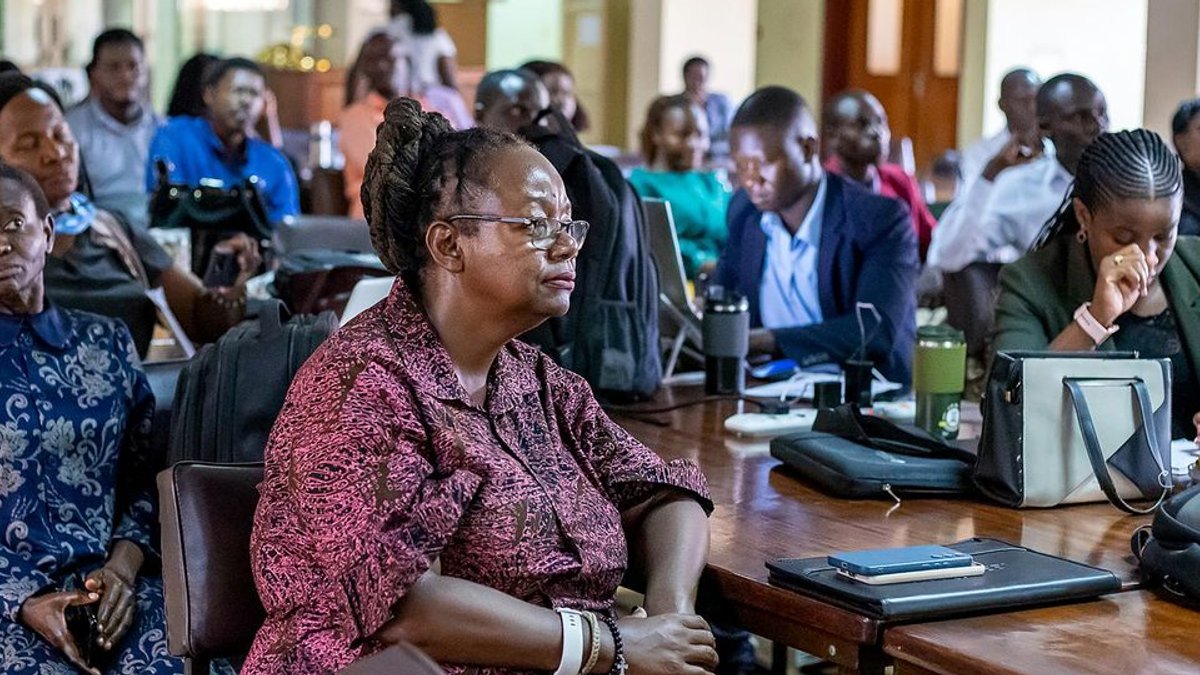
The Institute of Electrical and Electronics Engineers (IEEE) has introduced a set of workshops designed to teach African researchers how to publish technical papers through its system. This effort, outlined in a recent statement, targets young academics and engineers looking to increase their presence in worldwide research circles.
Workshop topics include organizing papers for IEEE journals, handling peer review procedures, and using IEEE Xplore for wider distribution. A key focus is open-access publishing, an important concern for researchers in regions where budget constraints restrict access to subscription-based content. IEEE’s platform lets authors keep their copyright while expanding their work’s reach, though workshop participation does not ensure publication acceptance. The program also shows IEEE’s position as a leading authority in engineering, with its journals among the most frequently cited in electronics and computer science.
For African scholars, the workshops address a long-standing issue: many face difficulties publishing in high-profile journals due to limited guidance or unfamiliarity with international standards. Training includes practical exercises where participants draft abstracts and refine citations, with IEEE editors offering direct feedback. This aligns with broader initiatives by groups like the African Academy of Sciences to increase the continent’s presence in global research.
African institutions are placing greater emphasis on research output as a measure of funding and academic standing. However, local universities often lack dedicated writing centers or editorial support, forcing early-career researchers to manage publishing independently. IEEE’s workshops help fill this gap by providing structured, peer-reviewed assistance, though enrollment is highly competitive, with limited spots to ensure personalized instruction.
Related Post: Student researchers gain spotlight at IEEE conference
Applicants must submit a draft paper or research proposal before joining, ensuring the training remains practical. The workshops also promote collaborative publishing, encouraging African researchers to work with international colleagues—a strategy that can improve acceptance rates. IEEE’s involvement reflects its goal of diversifying its author base, though lasting success depends on whether participants receive ongoing support from their home institutions.
The first group of trainees comes from Nigeria, Kenya, and South Africa. For now, the workshops serve as a transitional step, helping researchers meet global standards while tackling deeper systemic obstacles.
IEEE’s method contrasts with traditional publishing approaches, which often treat African researchers as secondary contributors. By providing direct editorial input, the organization is making entry easier, though broader challenges like internet access and institutional resources remain beyond its control. The workshops may also improve the quality of submissions reviewed by African universities internally.
Researchers accepted into the program must submit a revised draft within two weeks of the workshop. IEEE editors will then evaluate whether the work meets journal standards, with feedback delivered within four weeks. This reflects IEEE’s dual role as both a publisher and a guardian of technical knowledge. While the workshops aim to simplify publishing, the true measure of success will be whether participants gain acceptance—and whether their institutions value international collaboration.

NASA’s Canadarm Named 300th IEEE Milestone


