US space mirror satellite gets approval, astronomers worry
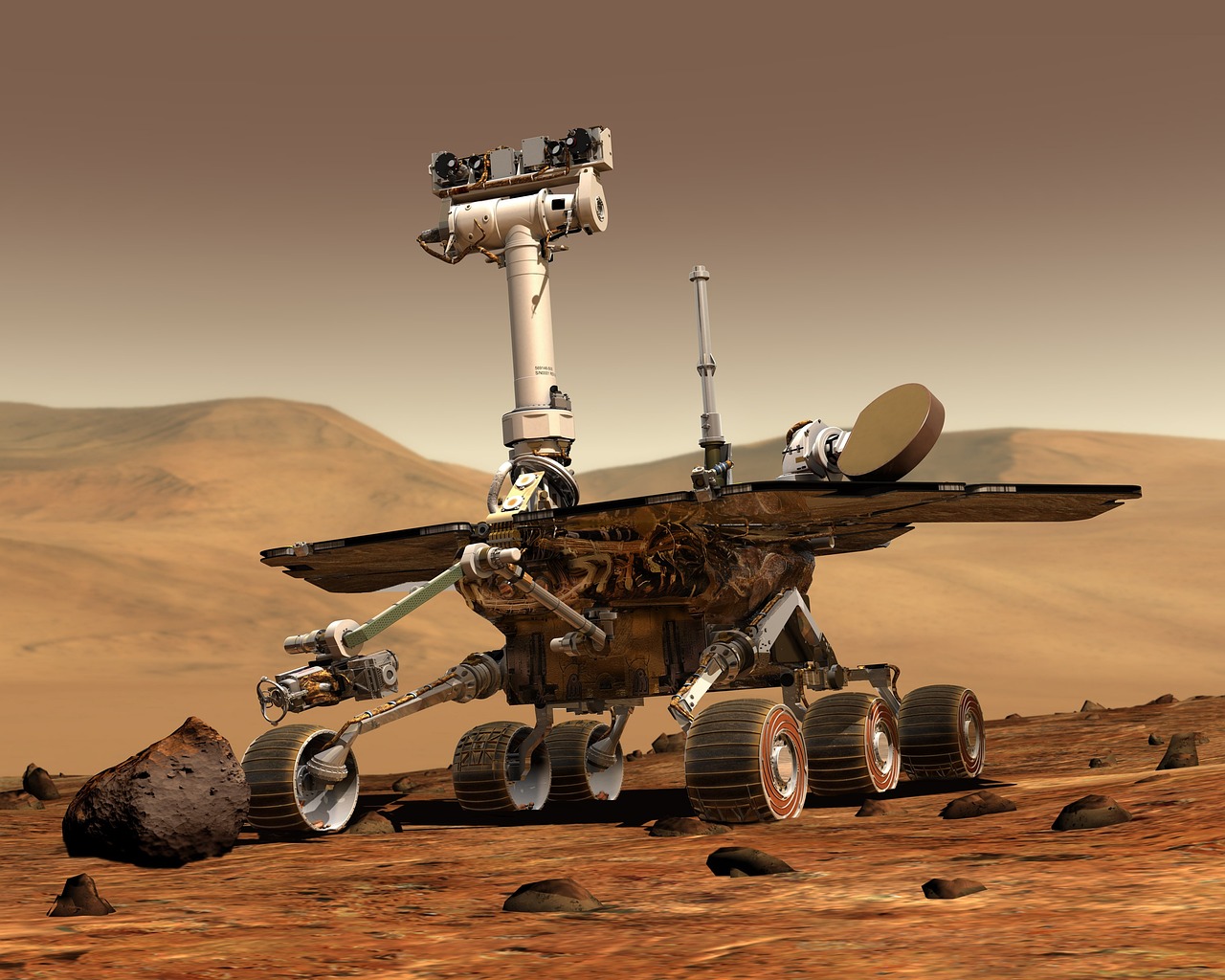
U.S. regulators have approved a test satellite designed to beam sunlight and turn night into day, sparking immediate alarm among astronomers concerned about light pollution. The satellite, known as Eärendil-1, is built by the California-based startup Reflect Orbital. The company intends to launch up to 50,000 similar spacecraft by 2035, a plan critics say would radically degrade views of the night sky.
The Federal Communications Commission (FCC) granted approval last week. The agency addressed over 1,800 public comments but ruled that concerns regarding the night sky fall outside its regulatory scope. According to the FCC, it must consider the small risk of physical damage against the benefits of allowing U.S. companies to test innovative technology.
Reflect Orbital proposes providing “sunlight on demand” for solar power plants and emergency operations. The test satellite would deploy an 18-meter-wide steerable mirror. Once in orbit, the device would shine up to four times brighter than a full moon. Samantha Lawler, an associate professor of astronomy at the University of Regina, expressed concern that the decision highlights significant gaps in the regulatory framework for outer space.
Directly viewing the beam through a telescope could permanently damage eyes and sensors. Even outside the direct beam, the scattering of photons through the atmosphere would create a bright smudge of light pollution. Olivier Hainaut, an astronomer at the European Southern Observatory, conducted a study on the potential impact of the full fleet of 50,000 satellites. He found that the entire constellation could collectively make the global night sky three to four times brighter than it is today.
Related: Trump’s CDC nominee faces Senate hearing
Even the planet’s darkest skies could become as bright as the heavens above a suburban town. This brightening could disrupt circadian rhythms for wildlife and limit what naked-eye stargazers can see. For astronomers, it could make much of their observational work effectively impossible. Hainaut argues that astronomers are not against progress, but they want to avoid problems before they occur rather than fixing them after the fact.
Current regulations leave astronomers with little recourse if their data is lost. The U.S. operates under the United Nations’ Outer Space Treaty, created in 1967 to ensure peaceful activity. The treaty names states responsible for actions of spacecraft launched on their territory and requires them to avoid harmful contamination. Some astronomers argue that Reflect Orbital’s light pollution qualifies as such harmful contamination.
International pushback
The American Astronomical Society (AAS) has urged the FCC not to exclude astronomers from the regulatory process. Roohi Dalal, the organization’s deputy director for public policy, emphasizes that scientific research has been at the forefront of American innovation for decades. She argues that supporting innovation cannot come at the cost of imperiling scientific research.
Beyond national borders, international bodies are also considering the implications of the FCC’s decision. Betty Kioko, a space lawyer serving as ESO’s representative in the United Nations Committee on the Peaceful Uses of Outer Space (COPUOS), notes that many members are concerned about the degree to which national regulators should share information with the international community.
Related: Stars use mind games at World Cup
Kioko predicts a concerted effort at an international level to address these challenges. In May, the national science academies of the G7 countries released a statement recommending the creation of a governing body similar to the International Telecommunication Union (ITU) but with a broader focus on orbital carrying capacity and environmental impact.
Reflect Orbital has stated that it will provide data from the test mission to outside parties and is developing a coordination agreement with the U.S. National Science Foundation. A company spokesperson said the firm welcomes oversight and wants to play an active role in shaping it.
Reflect Orbital’s test mission will be the first of its kind. The startup claims the technology could aid in search and rescue operations by illuminating disaster zones. However, the company has not yet demonstrated how it will manage the light pollution generated by the full constellation. The FCC’s decision sets a precedent for future commercial space activities.

Trump’s CDC nominee faces Senate hearing


