Northeast braces for hazardous wildfire smoke
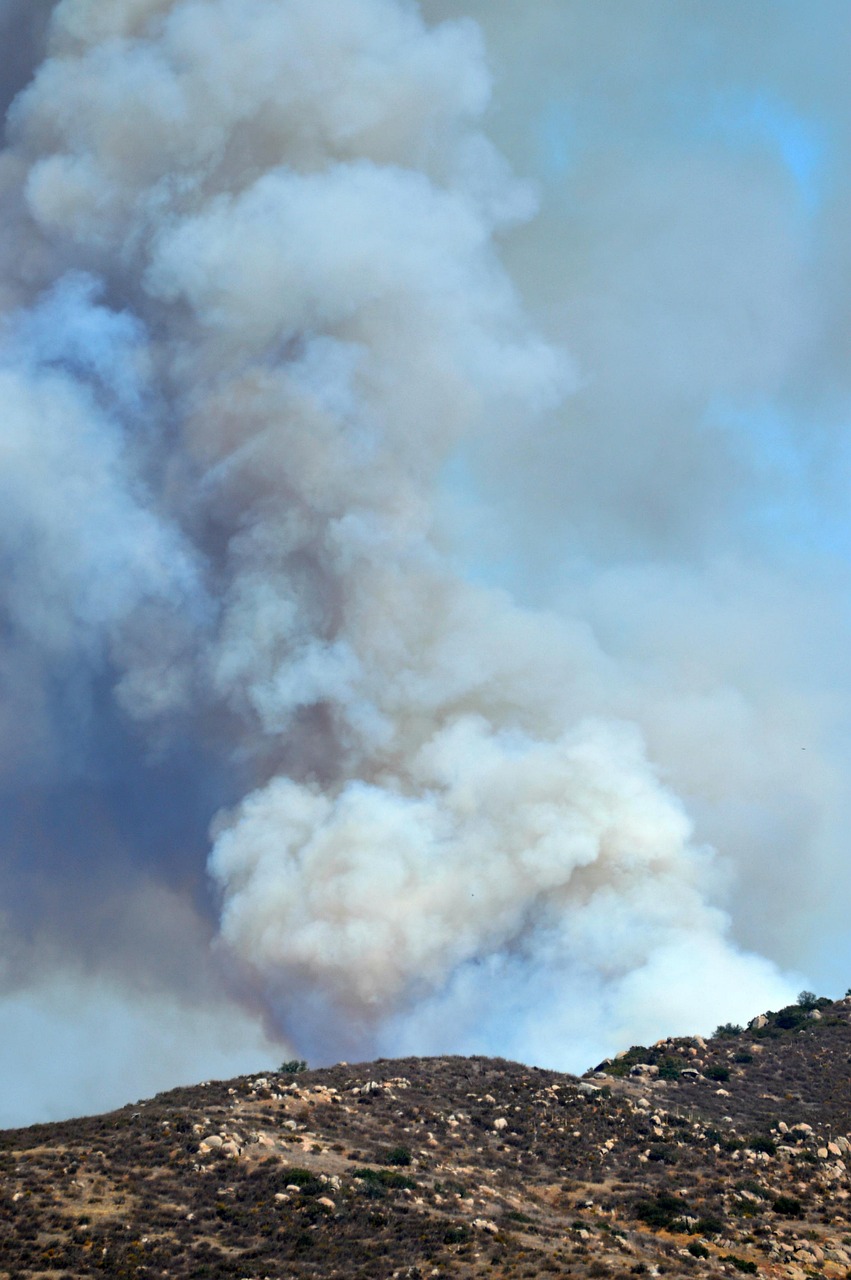
Smoke from wildfires burning in northern Minnesota will drift over the Great Lakes and Northeast this week, bringing hazardous air pollution to major cities including Detroit, Milwaukee, Cleveland, Philadelphia, and New York.
Forecasts indicate the smoke currently stays high in the atmosphere. A high-pressure system over the central U.S. creates a clockwise air flow that will push it toward the ground and southeast in the coming days. Residents in its path may face unhealthy to hazardous levels of PM2.5—fine particles that reach deep into the lungs.
The Air Quality Index uses a color scale to show risk: red signals unhealthy conditions, while maroon means hazardous. Forecasts remain uncertain. A meteorologist noted that predicting wildfire smoke is difficult, and models often miss the mark. These models must accurately track weather, fire behavior, and atmospheric chemistry to be reliable.
How the fires started—and why they’re unusual
The fires began after lightning struck the Boundary Waters Canoe Area Wilderness and other parts of the Superior National Forest last week. Dry conditions and extreme heat have turned vegetation into kindling, allowing small sparks to grow into large blazes. Steady winds have fanned the flames, prompting Minnesota Governor Tim Walz to declare an emergency and call in the National Guard. Parts of the forest have been closed to visitors.
Related: Sugar found in interstellar space
Wildfires in Minnesota rarely occur in July, which is usually a wet month. Fire season typically peaks in spring or fall, but this year’s conditions have disrupted that pattern. The smoke may persist intermittently for the next 10 days.
When smoke descends, it often creates a hazy, orange-tinted sky. The particles scatter blue light while letting red and orange wavelengths through.
How to stay safe as smoke moves in
To protect yourself from smoke, limit time spent outdoors, wear an N95 mask when you do have to be outside, keep doors and windows closed and well sealed, and run air purifiers inside.
The National Oceanic and Atmospheric Administration’s forecast shows the smoke plume moving southeast by midweek. Air quality alerts will likely follow. The duration of the pollution depends on wind patterns and whether the fires keep burning.

Sugar found in interstellar space


