Xiaomi 18 Pro Max Review in the Philippines
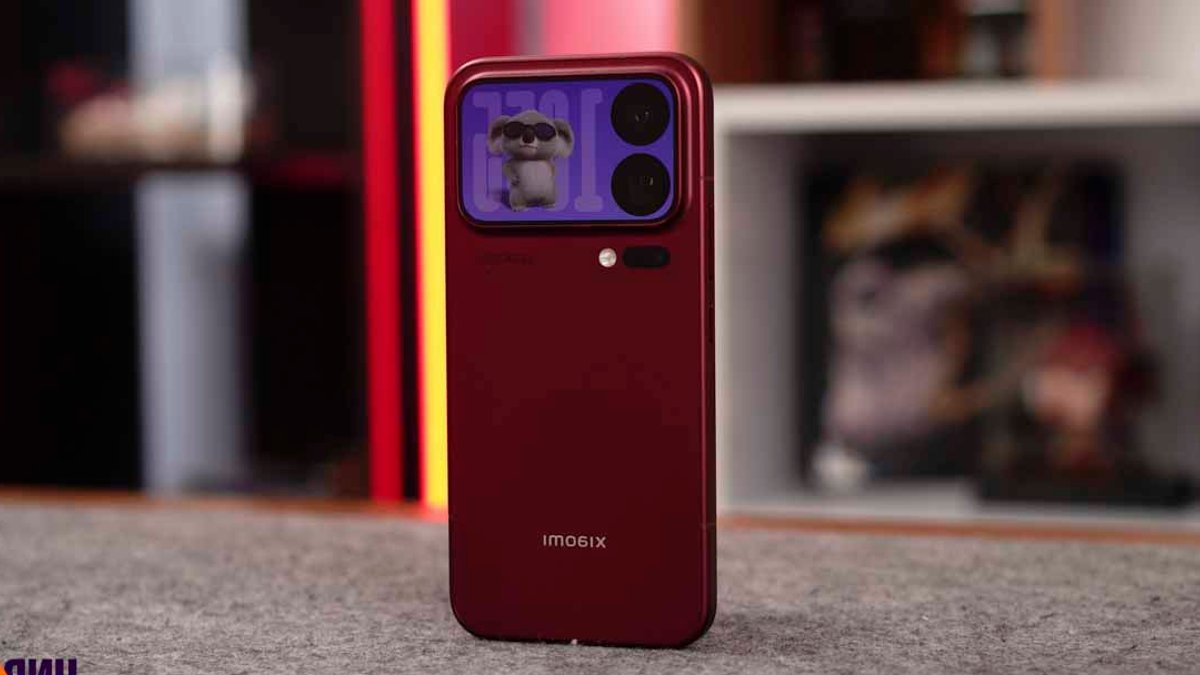
The Xiaomi 18 Pro Max has arrived in the Philippines, marking a change in strategy for the manufacturer. After skipping a global release for the previous 17 Pro Max, the company is now offering the international market the 18 Pro and the larger 18 Pro Max. The Philippine launch brings the device to a local market crowded with high-end alternatives, prompting a closer look at whether the new hardware justifies the price tag.
Design and Rear Display
The device stands out in a crowded field of large phones with similar “Pro Max” names. It avoids the large camera island found on many competitors, opting instead for a rear panel dominated by a 2.9-inch LTPO AMOLED screen. The panel also features a customizable side button, though the available functions are somewhat limited.
This rear screen is the defining feature for content creators. It allows users to take high-resolution selfies and vlogs using the main camera rather than the front-facing lens. The writer tested this by using the phone as an “A-roll” camera for multiple Reels on their channel, a setup that has not been replicated with other devices tested recently. The display is also useful when the phone rests face down, showing notifications from apps like Spotify and Google Maps without requiring the main screen to wake.
Display Technology
The primary screen measures 6.9 inches and utilizes the same LTPO AMOLED technology. It supports a 120Hz refresh rate and displays Dolby Vision, HDR Vivid, HDR10+, and reaches 4,000 nits of brightness. The screen includes a privacy mode inspired by the Samsung Galaxy S26, but Xiaomi implemented it differently. The device uses a full RGB subpixel matrix with light deflectors to narrow side viewing angles.
Camera Performance
Despite the camera island on the back, the phone actually houses three lenses. The ultrawide camera sits directly below the main module, but its placement and sensor choice are considered subpar. The main camera and the 3.2x zoom lens both utilize large 200-megapixel sensors. The main unit employs LOFIC technology to maintain detail in bright skies and signs while preserving shadow information.
Images from the main camera show strong performance in difficult lighting. The device retains detail in backlit scenes without introducing oversharpening or artificial noise. Daylight shots also display excellent dynamic range and accurate skin tones. The zoom capabilities rely on optical zoom up to 3.2x, but the high pixel count allows the digital crop to produce usable results.


