Spain Nuclear Power Extension Stabilizes Fragile Grid
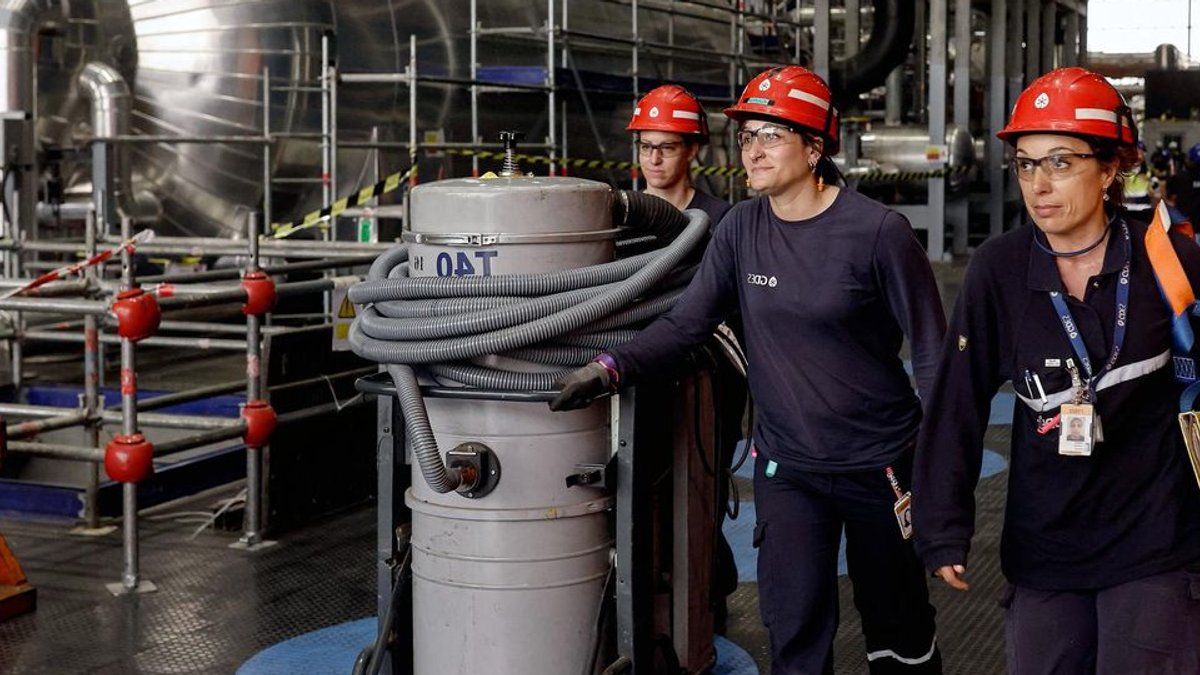
Spain has officially paused its nuclear phase-out, a decision that stabilizes the national energy grid as the country handles increasing volatility in fossil fuel markets. The government announced a review of the 1987 law that mandates the gradual closure of nuclear power plants, signaling a shift away from previous energy policies. This reversal affects seven reactors currently operating across the country, which together provide a significant portion of the baseload electricity supply. Officials state that maintaining these facilities is necessary to ensure grid reliability as renewable energy penetration rises. The review process involves a detailed legal assessment of the statutory timeline, allowing regulators to align the de‑commissioning schedule with current supply‑demand trends without breaching existing contractual obligations.
Energy Turbulence Drives Policy Shift
The decision comes at a time when Spain faces significant pressure from fluctuating gas and coal prices. By keeping nuclear reactors online, the nation retains a stable, carbon‑free power source that does not depend on fuel supply chains. Critics of the phase‑out had long argued that the schedule was too aggressive, especially given the aging infrastructure of some plants. The new stance suggests that energy security is now prioritized over the speed of decommissioning. In practice, the continued operation of nuclear units means that grid operators can rely on a predictable generation profile, which simplifies the balancing of supply when wind or solar output dips unexpectedly.
Energy analysts highlighted that the flexibility offered by nuclear plants extends beyond simple power output; they also contribute essential ancillary services such as frequency control and voltage support. These capabilities are increasingly valuable as the share of intermittent renewables climbs, because they help maintain the delicate equilibrium required for safe grid operation. The policy shift therefore reflects an acknowledgment that the technical characteristics of nuclear generation complement the variable nature of solar and wind, reducing the need for costly fast‑response fossil‑fuel peakers.
The political setting surrounding this change is complex. The previous administration set firm deadlines for the shutdown of these plants, but the current government views those timelines as unrealistic given the current economic and environmental constraints. Energy experts have pointed out that while renewables are growing, they require backup systems that are often less reliable than nuclear baseload power. This perspective is reinforced by the fact that the regulatory framework governing Spain’s electricity market includes mechanisms for capacity remuneration, which can be triggered when reliable generation capacity is at risk of falling short of projected demand.
Stakeholders from industry and academia have also noted that the pause creates an opportunity to invest in modernization programs for the existing reactors, potentially extending their operational life through upgrades to safety systems and efficiency improvements. Such investments can be justified on the basis of cost‑effectiveness, as they avoid the immediate capital outlays associated with constructing new large‑scale generation assets while still delivering low‑carbon electricity.
Related: Adaptable Engineers: Key Skills for the AI Era
Grid Stability and Future Outlook
Spain has been aggressively expanding its solar and wind capacity, yet the intermittency of these sources creates challenges for grid operators. Nuclear plants offer a constant output that complements the variability of renewables. By slowing the phase‑out, the country ensures that it can meet its renewable targets without sacrificing the stability required to prevent blackouts. The constant generation from nuclear also provides a reference point for forecasting models, allowing system planners to predict net load more accurately and schedule maintenance for other assets with greater confidence.
The integration of higher levels of renewable generation demands sophisticated forecasting and real‑time monitoring tools. Spain’s transmission system operators have been deploying advanced digital platforms that ingest weather data, load forecasts, and generation schedules to orchestrate a coordinated response. In this context, the presence of nuclear baseload simplifies algorithmic optimization, because the output from these plants can be treated as a fixed variable, reducing the computational complexity of dispatch calculations.
This move aligns with a broader trend in Europe, where several nations are re‑evaluating their nuclear strategies. Unlike the rapid dismantling seen in the past, the current approach favors a more gradual and managed transition. The ability to extend the life of these plants provides a key buffer as the grid integrates higher levels of intermittent power sources. The government has not specified new timelines for any potential closures, leaving the future of the reactors open‑ended for now. Observers note that the policy flexibility mirrors the adaptive regulatory philosophies adopted by other European electricity markets, where the balance between decarbonization and reliability is continuously negotiated.
The coverage of Spain’s nuclear policy adjustment appears in IEEE Spectrum’s Technology Insider section, a venue that routinely publishes analysis of energy infrastructure and policy developments. IEEE Spectrum, as the flagship publication of the Institute of Electrical and Electronics Engineers, leverages its extensive network of engineers and scientists to contextualize such shifts within the larger setting of technological advancement. Readers of the article benefit from the publication’s commitment to delivering in‑depth reporting, supported by multimedia assets that illustrate the technical nuances of grid management. Membership in IEEE grants access to the full suite of Spectrum resources, including downloadable PDFs, curated collections, and the ability to comment on articles, thereby supporting a community dialogue around topics like nuclear energy and renewable integration.

Adaptable Engineers: Key Skills for the AI Era


